

Wildlife Habitats
Bring your garden to life with habitats that welcome and support wildlife.
We recognise the vital role local wildlife play in the wider ecosystem, and we’re dedicated to creating and preserving spaces that genuinely boost biodiversity. From tranquil wildlife ponds and vibrant wildflower meadows, to smaller features like bespoke hibernacula, bird boxes, and insect hotels; Every project is tailored to your space, your goals, and the species you want to support.
Wildlife ponds
These tranquil water features not only enhance the beauty of your garden but also provide essential habitats for wildlife. A well-designed wildlife pond is a balanced, self-sustaining ecosystem that attracts a rich variety of species while helping your garden stay cooler and more resilient in hot weather.
From half-barrel ponds ideal for smaller spaces to more expansive ponds that support a richer ecosystem, we offer flexible, budget-friendly options for gardens of all sizes.
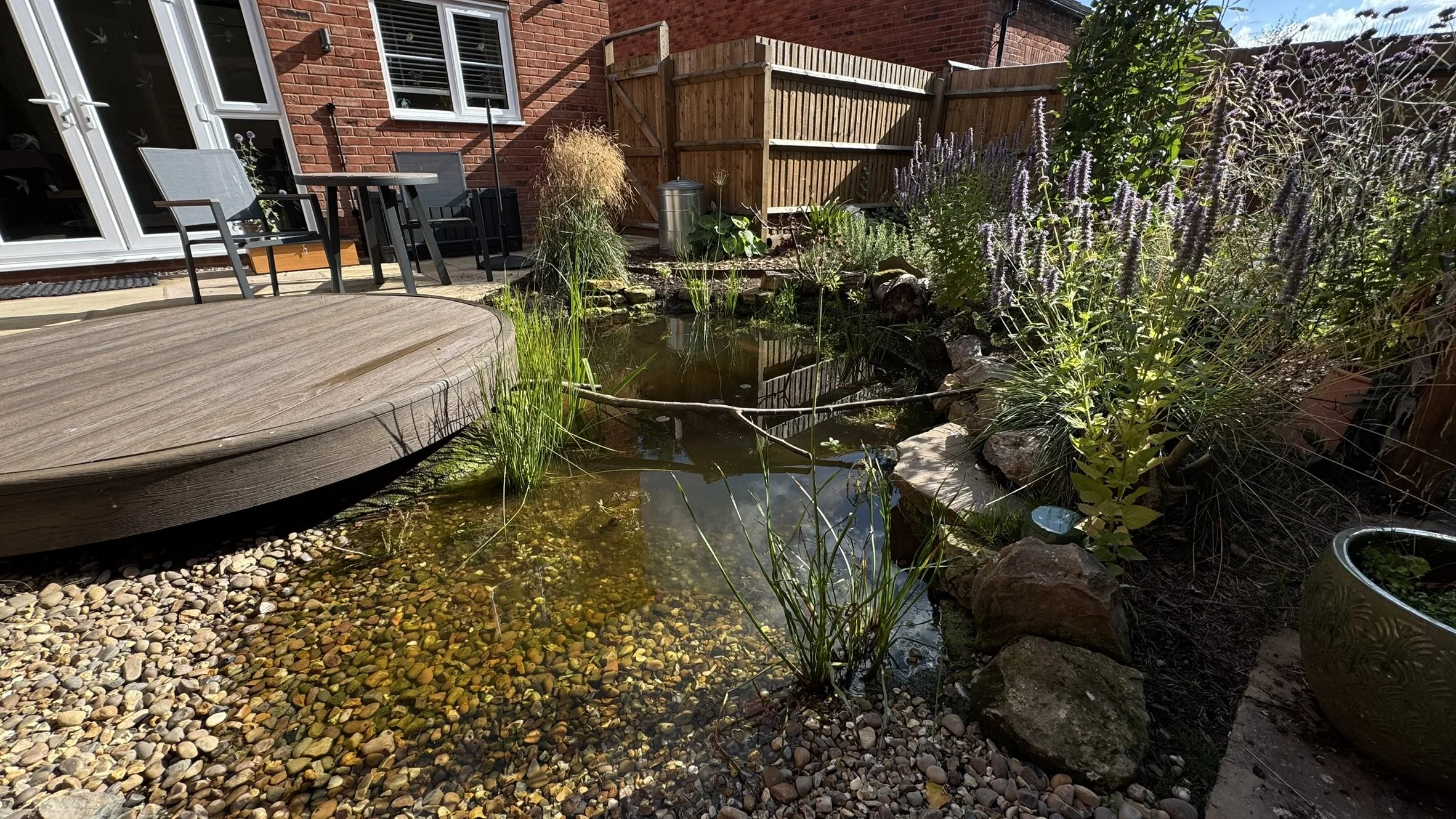
Pond design
Thoughtfully planned and beautifully built, our ponds bring structure, movement, and calm to your garden. Available as part of a full garden design or a standalone service.
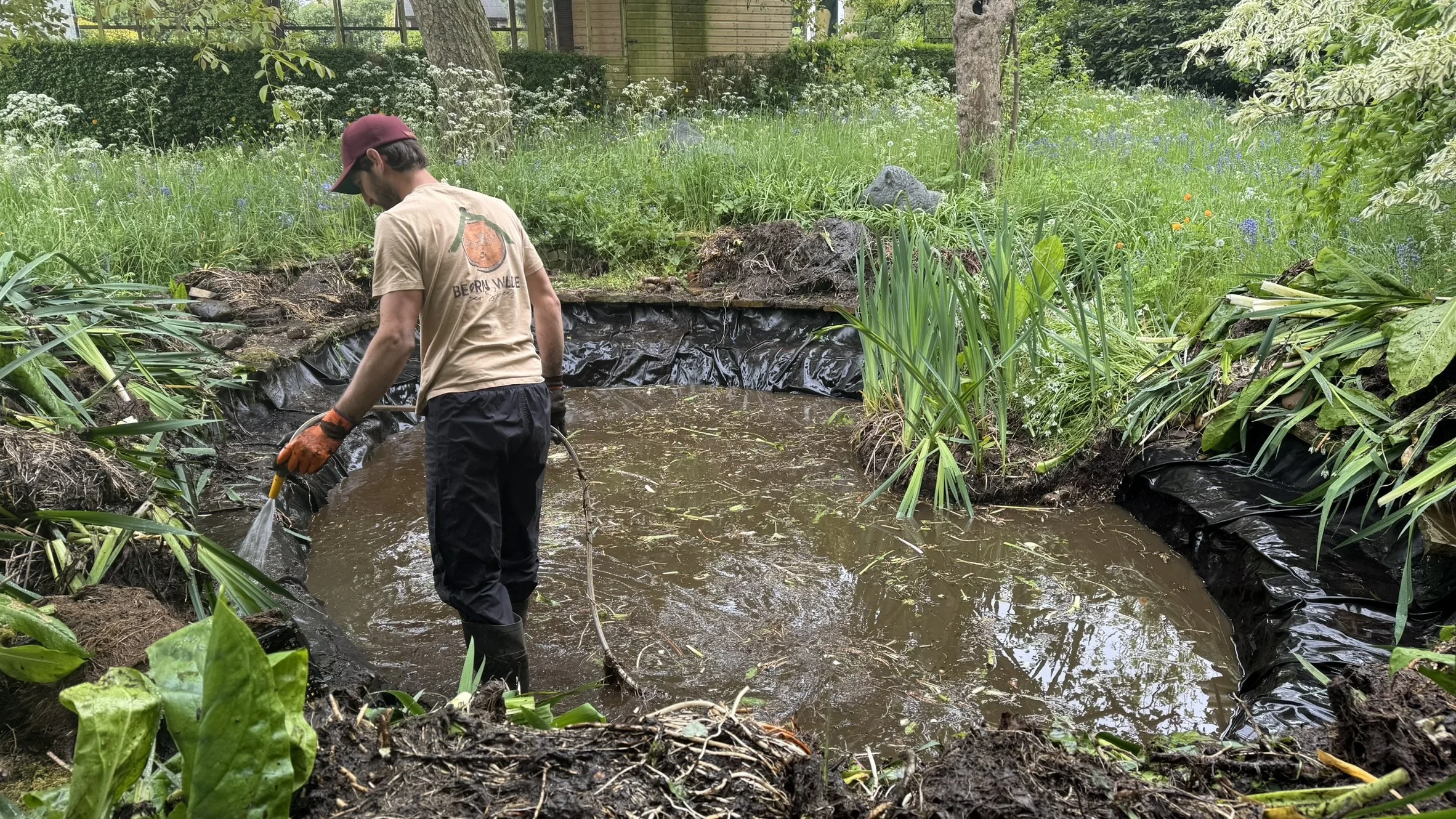
Pond restoration
Bring tired, overgrown ponds back to life with our restoration service. We clear, reshape, and replant to restore balance and return your pond back to its original healthy conditions.
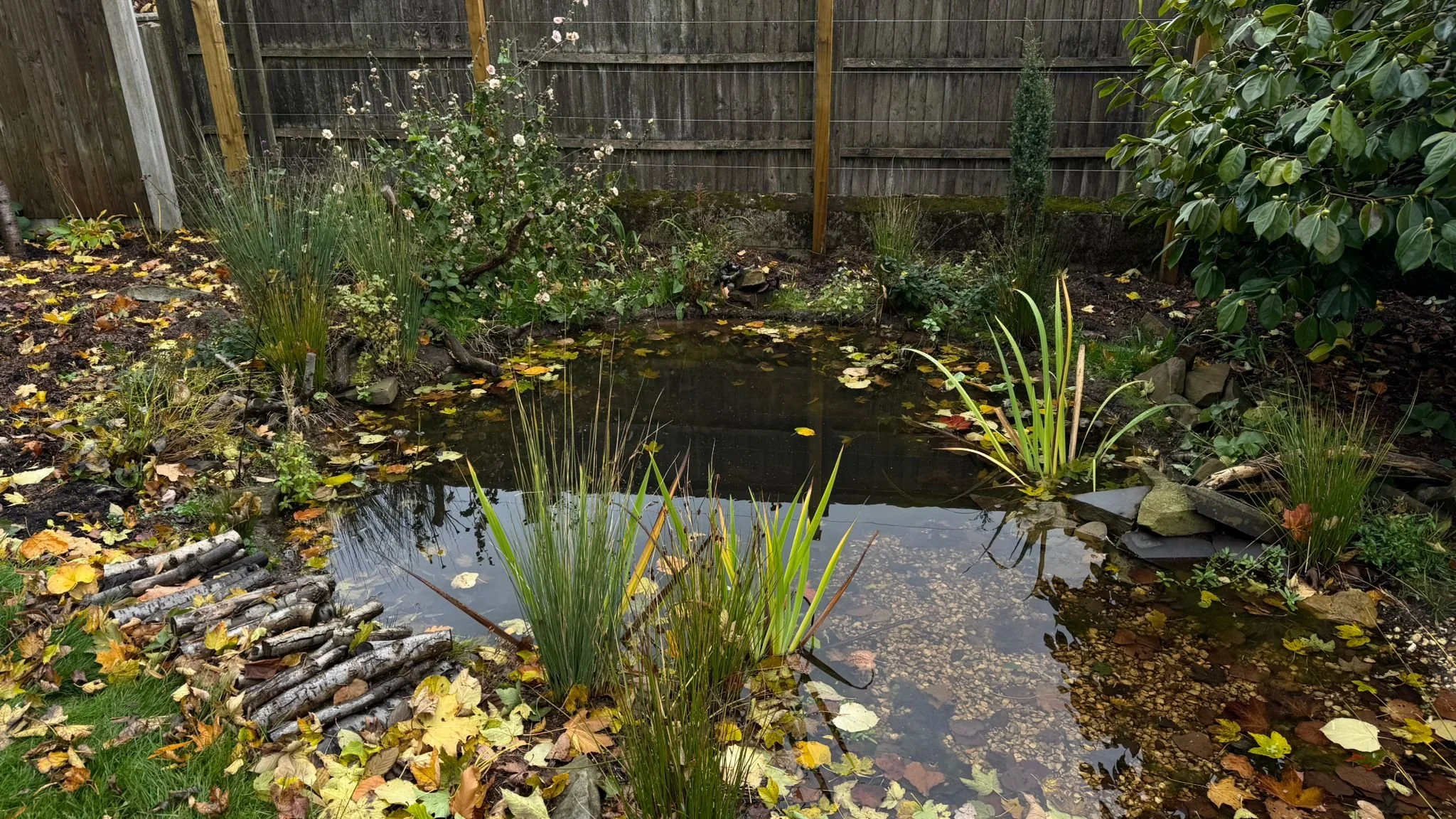
Pond maintenance
Regular care keeps your pond at its best. We handle cleaning, plant management, and seasonal checks so your water feature can stay clear, healthy, and serene all year round.
Wildflower meadows
Installation
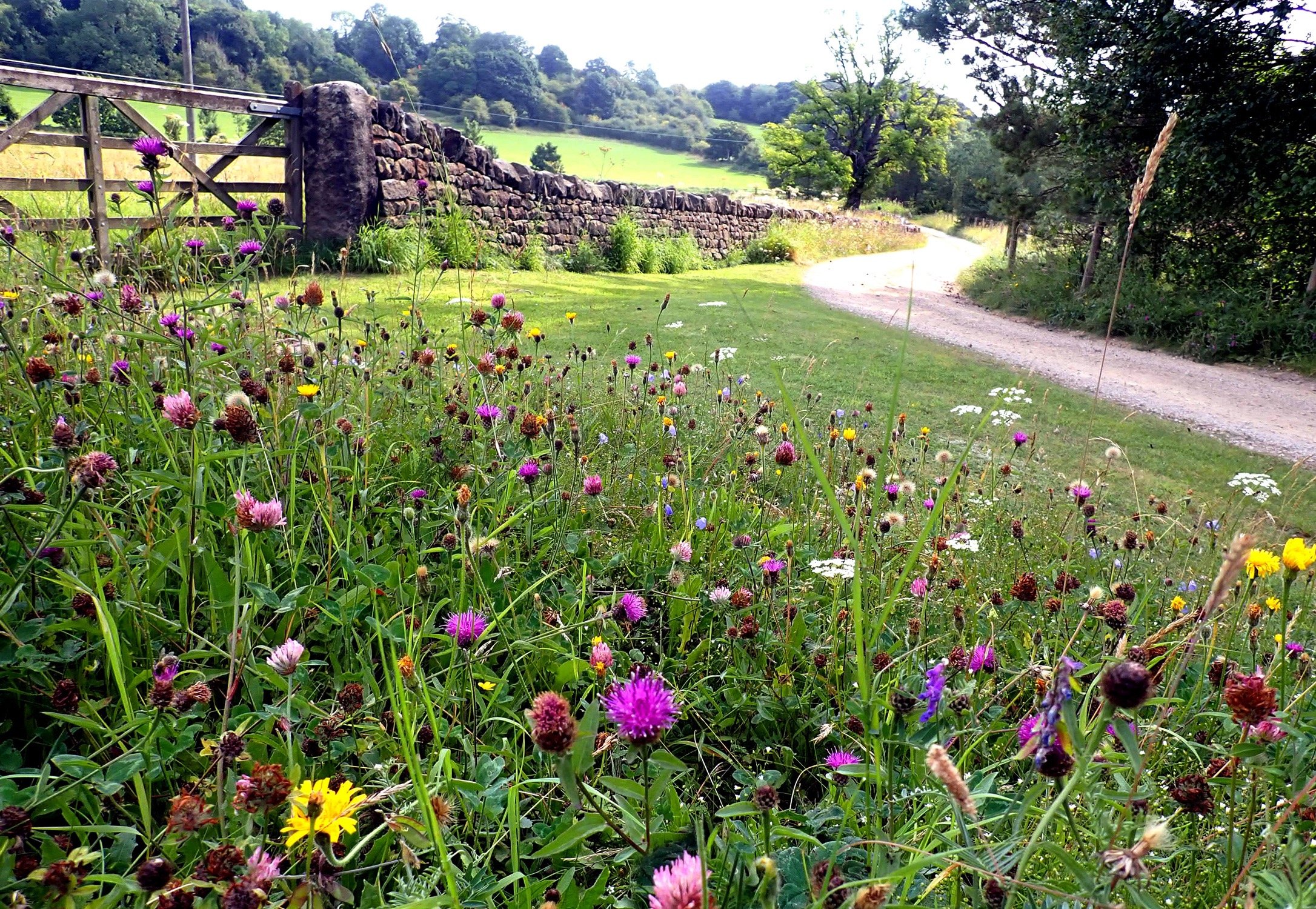
Wildflower meadows are not only beautiful but vital for supporting pollinators and wildlife. Whether you’re after a naturalistic perennial meadow, the pop of an annual cornflower mix, or the subtle beauty of a flowering lawn, we have the expertise to bring your vision to life.
For perennial meadows, we offer two installation methods: laying turf for an instant, mature look, or sowing seed for a more cost-effective option. Both deliver lasting beauty and ecological value. Unsure which option is right for you? Get in touch and we’ll happily advise.

Maintenance
When managing wildflower meadows, we prioritise traditional techniques like scything, which is gentler on the environment than strimming or machine mowing. Scything preserves the natural structure of the meadow, avoiding damage to delicate plants and ensuring a more even cut. Unlike noisy, fuel-driven equipment, scything is quiet, low-impact, and promotes healthier soil and wildlife. This method also allows us to carefully manage the timing and height of the cut, helping maintain the meadow’s biodiversity and encourage seed dispersal for the following year.
Benefits of wildflower meadows

Attracts pollinators

Reduces maintenance upkeep

Provides food and shelter

Adds natural beauty and diversity
Insect hotels
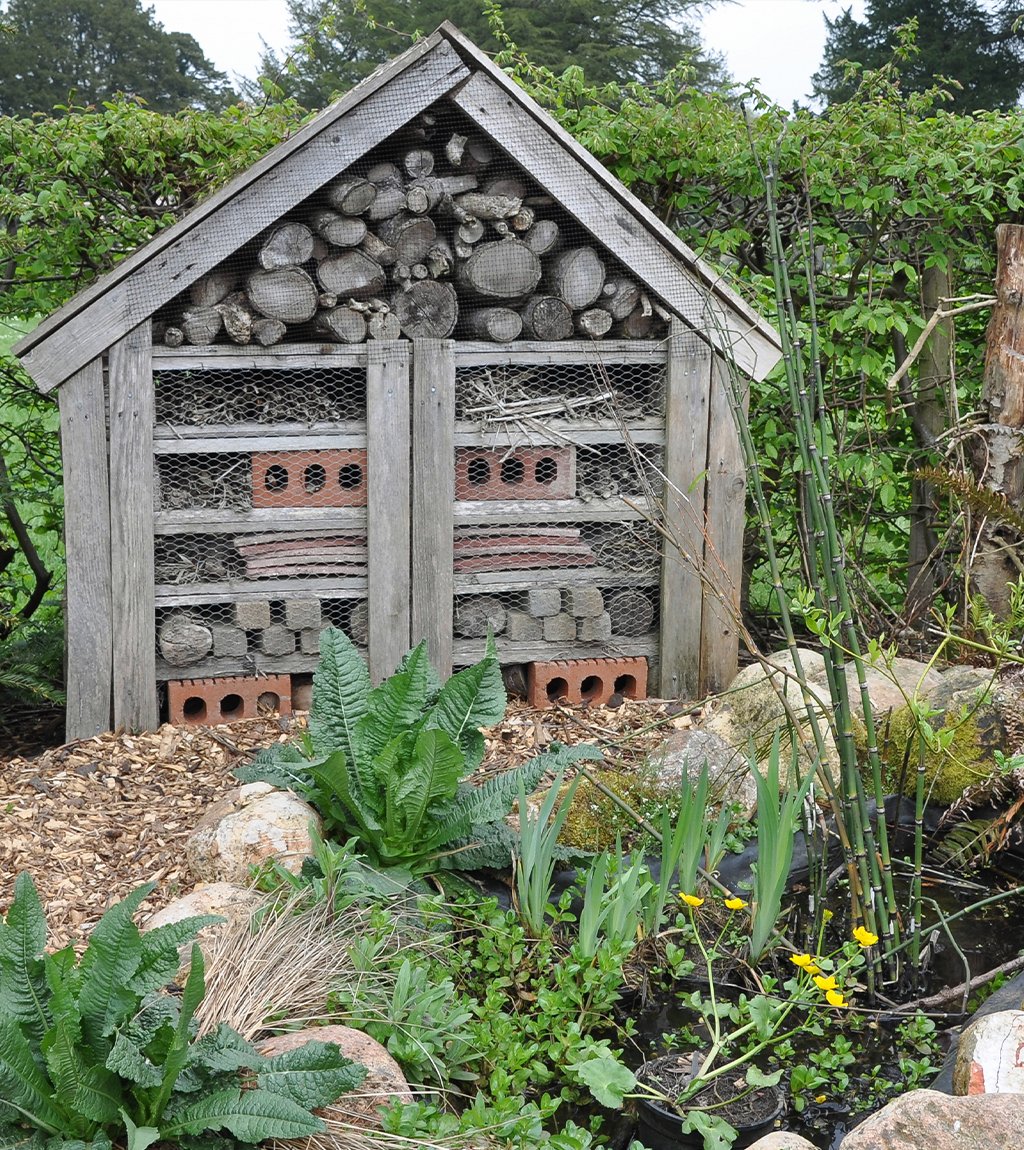
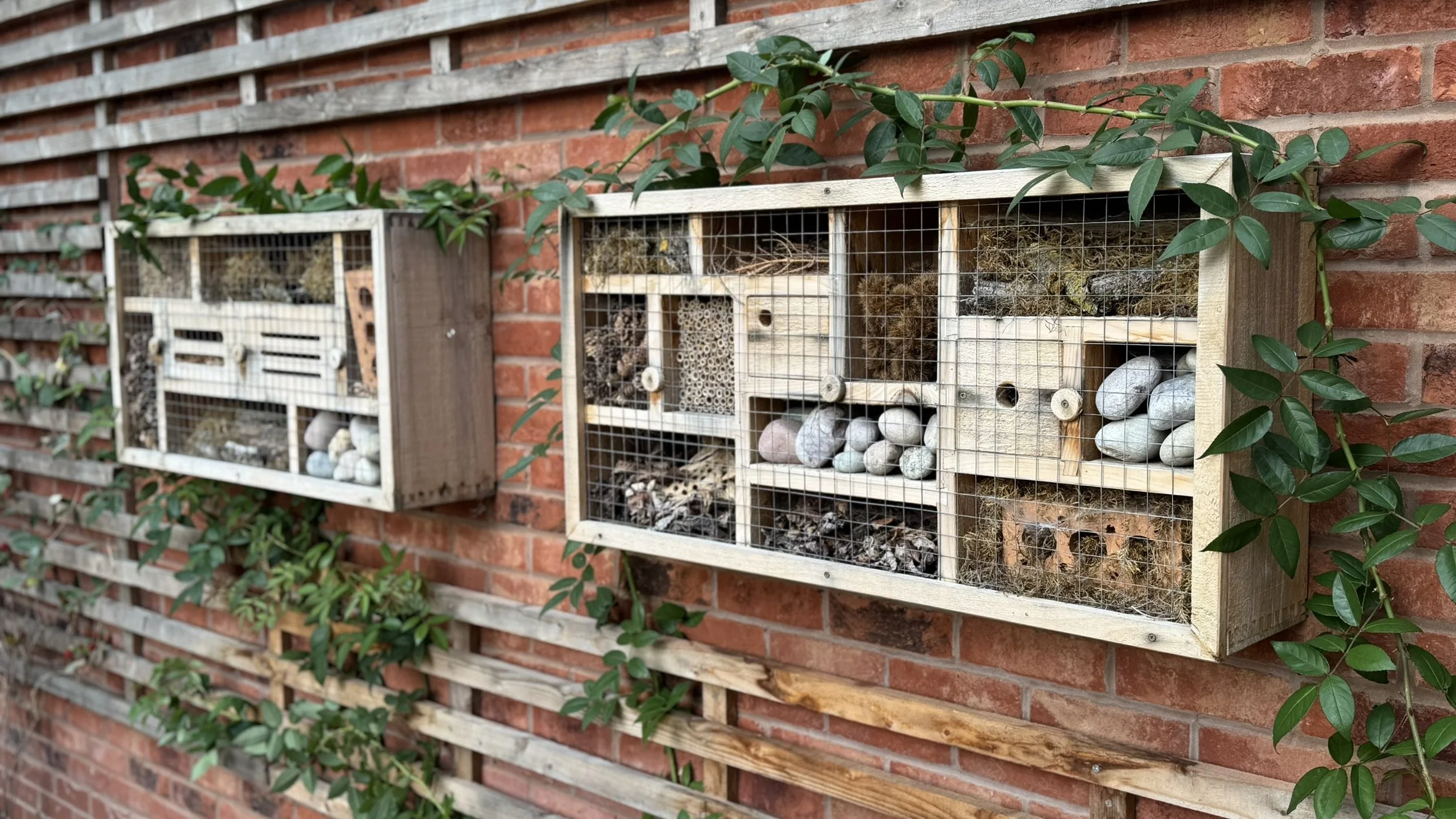
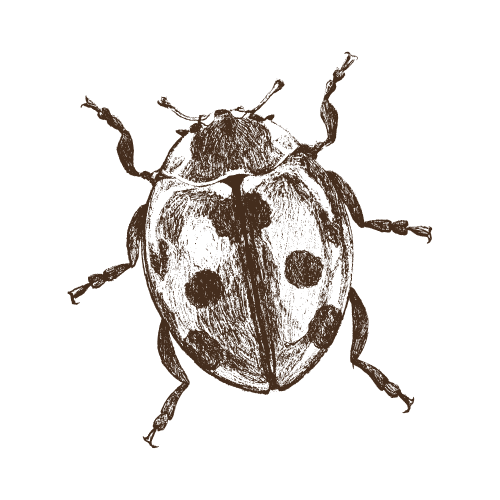
Insect hotels provide a safe, sheltered space for beneficial insects like bees, ladybirds, and butterflies. These structures offer a place for insects to nest and overwinter, supporting local ecosystems and promoting biodiversity. Insect hotels also enhance your garden's aesthetic, adding an attractive and functional feature that blends seamlessly into your landscape.
We can build custom insect hotels to suit your garden, or collaborate with a trusted local cabinet maker to create something more premium. Crafted from natural materials, each design is unique, whether it's a rustic log stack or a more refined structure. They are a beautiful, interesting and environmentally friendly way to support wildlife, all while contributing to a healthier, more sustainable garden.
Hibernacula
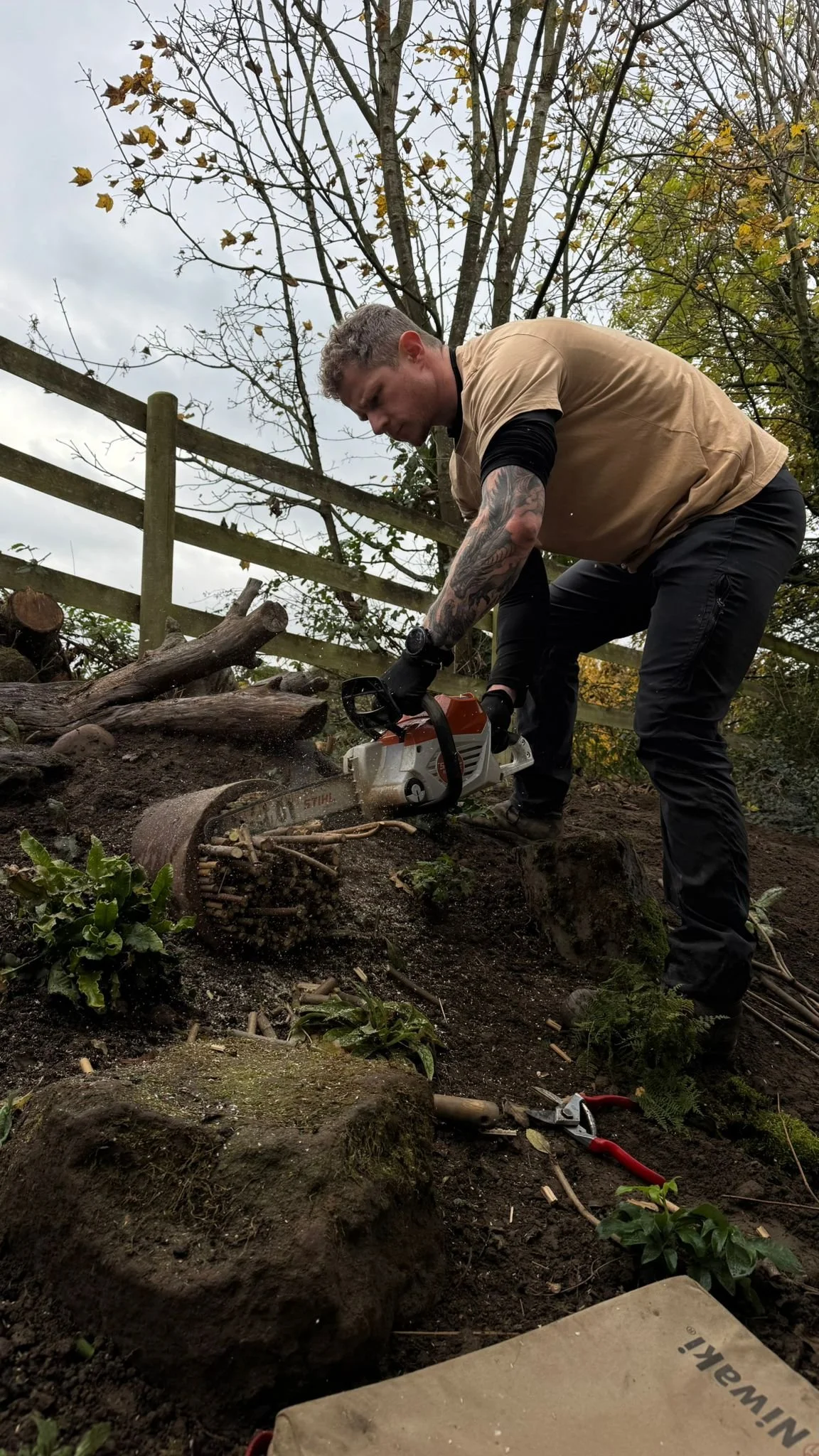
A hibernaculum is a natural or man-made shelter that provides a safe space for wildlife to hibernate during the colder months. We design and build custom hibernacula to protect species like amphibians, reptiles, insects, and small mammals, helping them rest and conserve energy until warmer weather returns.
Each project starts with a hole in the ground, which we fill with sticks and stones to create structure and stability. We then pack this hole with leaves or straw for bedding and insulation. The size of the hibernaculum determines how many layers or cavities we include, and we use hidden pipelines to provide access for creatures. The whole structure is then covered with soil, and decorative touches, like mossy boulders, tree trunks and thoughtful planting schemes ensure each hibernaculum looks as though it has been part of the garden for decades.
Wildlife gardening is an eco-friendly way of landscaping that attracts and supports local animals. It focuses on creating habitats with food, shelter, and water for creatures like birds, bees, butterflies, and amphibians. These gardens often include native plants, bird feeders, and water features like ponds or birdbaths. Wildlife gardening enhances biodiversity, adds beauty to outdoor spaces, and fosters a deeper connection with nature.

How to build a wildlife-friendly garden

-
Native plants
Plant a variety of native trees, shrubs, flowers, and grasses that provide nectar, pollen, fruits, seeds, and leaves as food sources for wildlife.
Bird feeders
Hang bird feeders stocked with appropriate birdseed for native wild birds.
Fruit trees
Fruit-bearing trees and bushes can attract birds and small mammals.
Insect-friendly plants
Include plants that attract insects like butterflies and bees, which are essential for pollination.
-
Wildlife pond
Construct a wildlife-friendly pond with sloping sides to provide drinking and bathing opportunities for birds, amphibians, and insects.
Birdbaths
Place birdbaths or shallow dishes of water at ground level for smaller wildlife like insects and amphibians.
Rain barrels
Collect rainwater, which can be used to create small puddles and water sources for wildlife.
-
Trees and shrubs
Mature trees and shrubs offer shelter and nesting sites for birds and small mammals.
Bird boxes and bat boxes
Install birdhouses and bat boxes to provide nesting and roosting spaces.
Rock piles and brush piles
Create piles of rocks or branches as shelter for reptiles, amphibians, and small mammals.
Hedgehog houses
Buy or create your own specially designed hedgehog houses.
-
Wildflower meadows
Plant wildflower meadows to attract pollinators and provide a variety of habitats.
Beetle banks
Create raised areas made of logs and branches to attract beetles, which are important for natural pest control.
Hibernacula
Build underground chambers or piles of leaves and logs as hibernation sites for reptiles and amphibians.
Bug hotels
Install bug hotels or insect houses with a variety of materials for insects to shelter in.
-
Avoid using chemical pesticides and herbicides that can harm wildlife and disrupt the ecosystem.